Pallet Loading & Airflow

Engineering Guide · Operator Best Practices

Carga de palés y flujo de aire

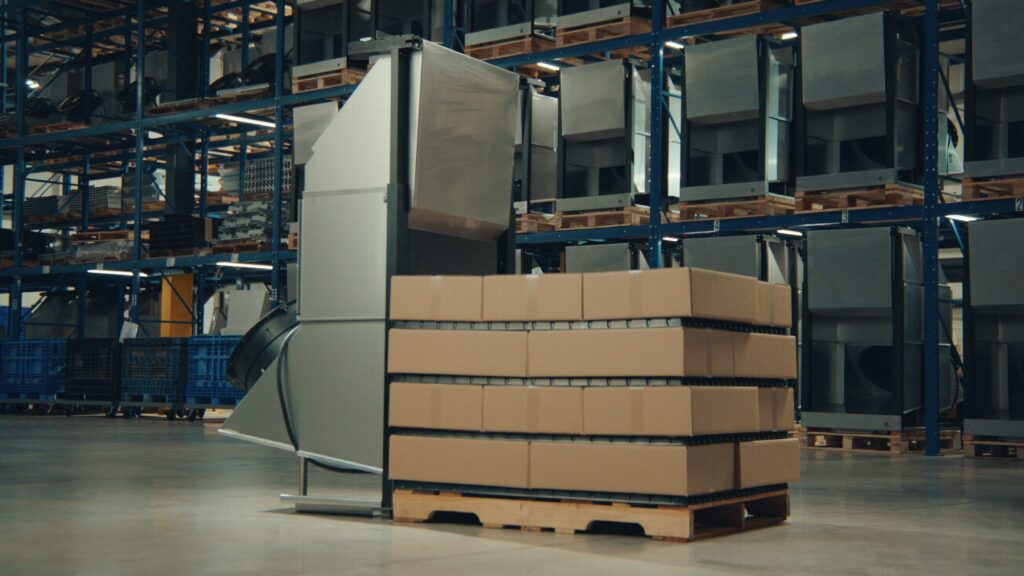
How a pallet is built and staged decides how fast — and how evenly — a QFM freezes it. Blast air has to travel a través de the pallet, not around it. These are the loading practices that get the most out of every cycle.

Why Loading Determines Freeze Time

Airflow is the whole game. Build the stack so cold air can reach every case — not just the outside ones.

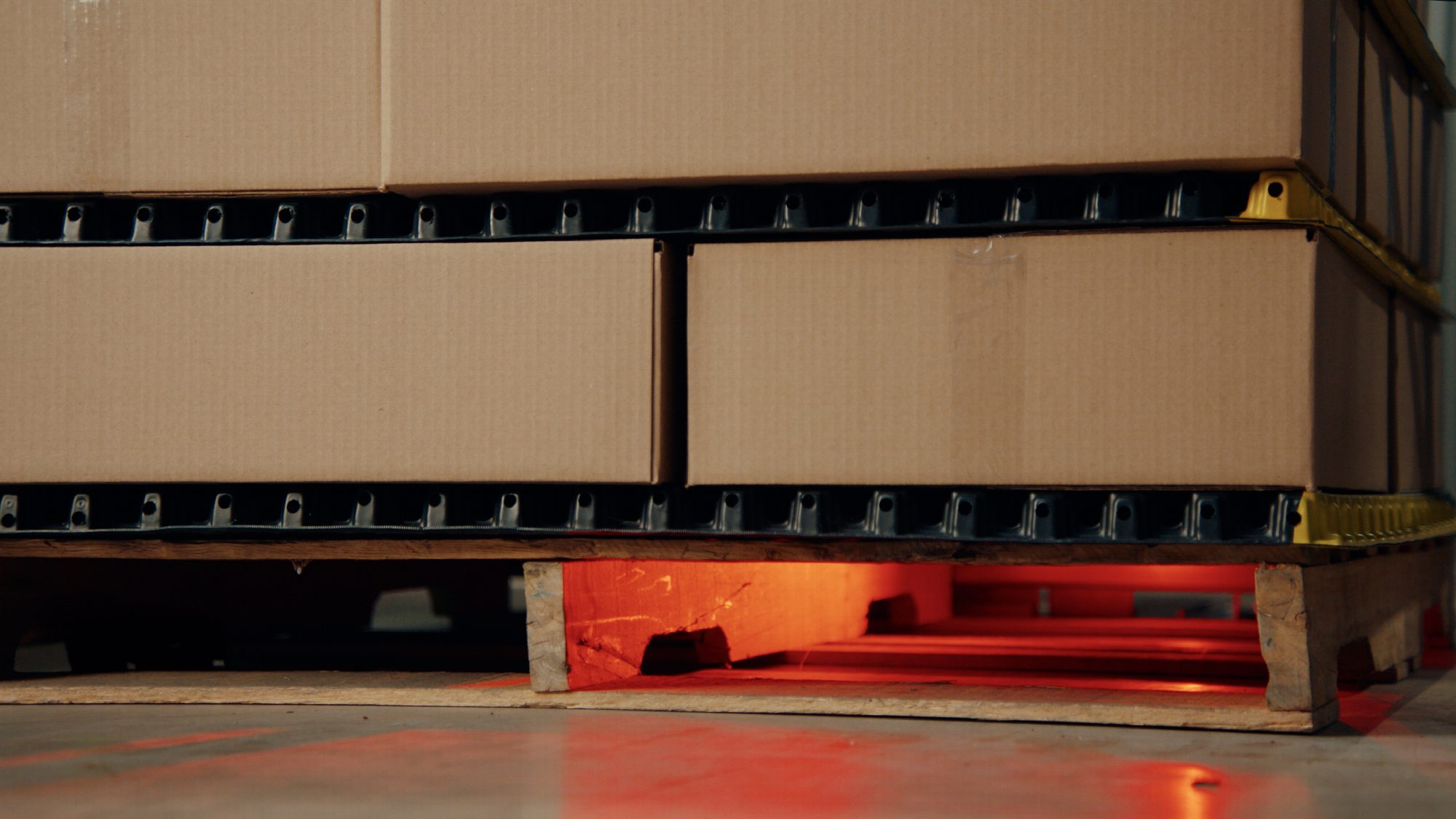
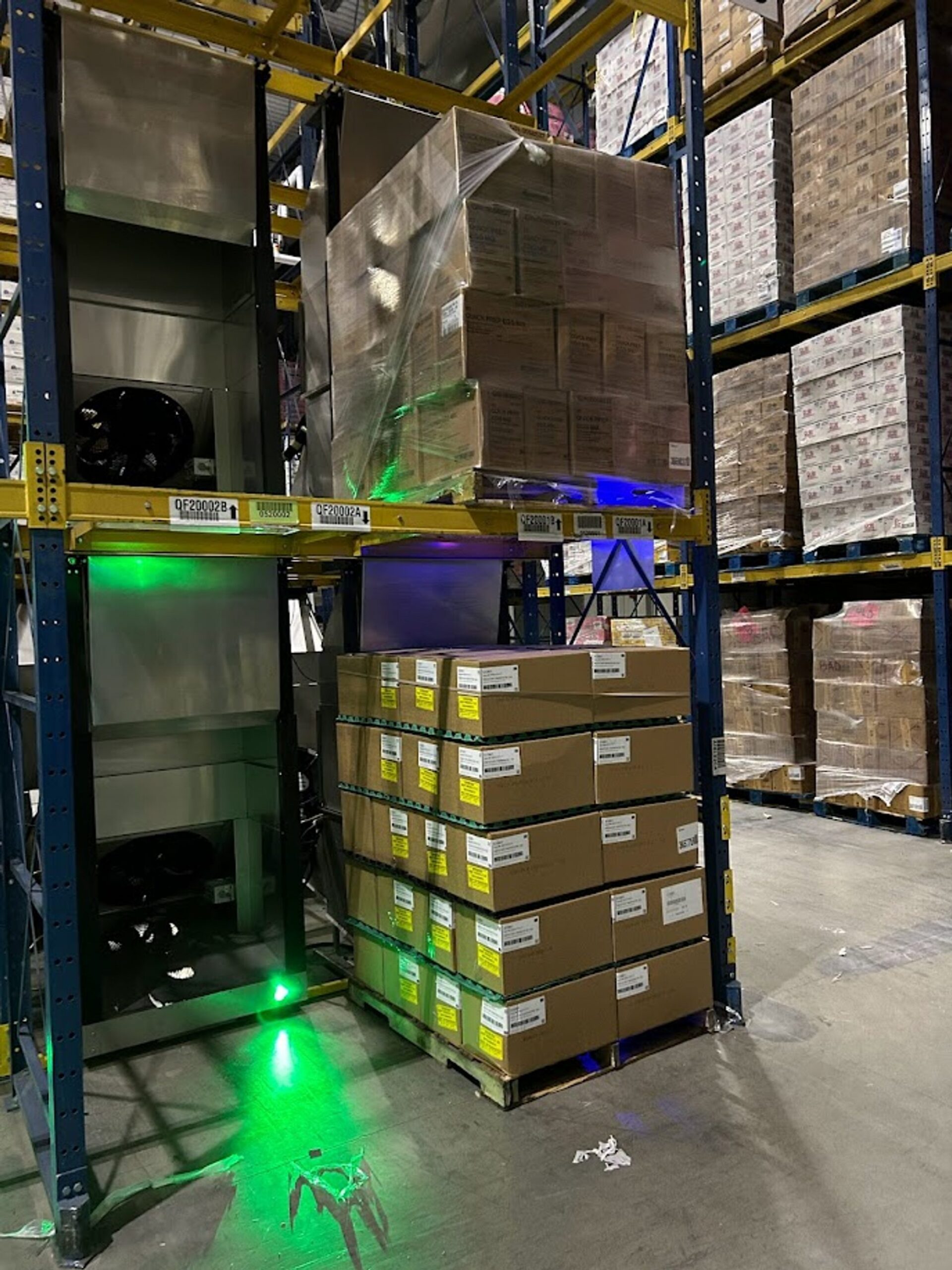
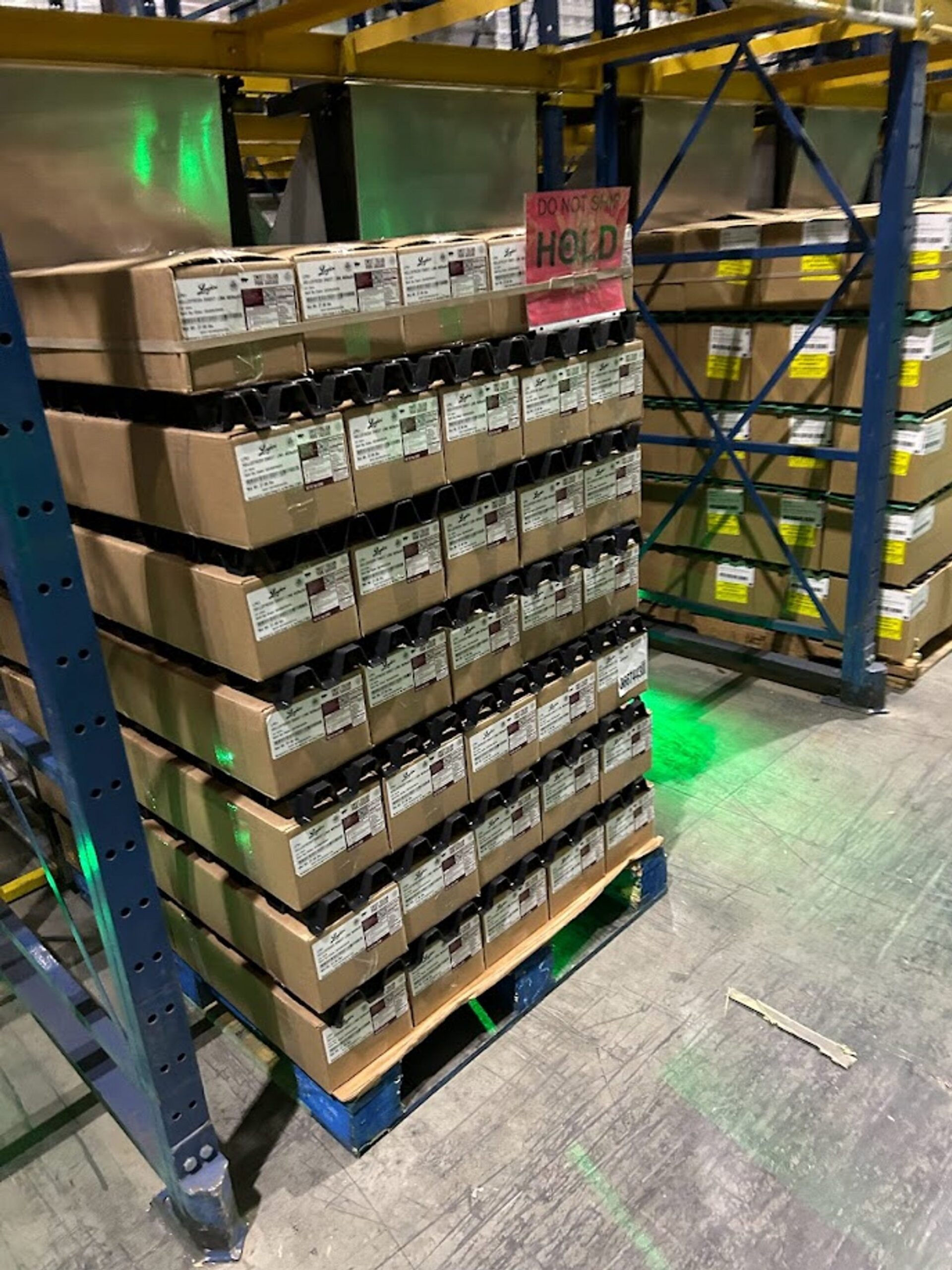
Status light glowing through pallet spacers, showing the airflow channels under a QFM
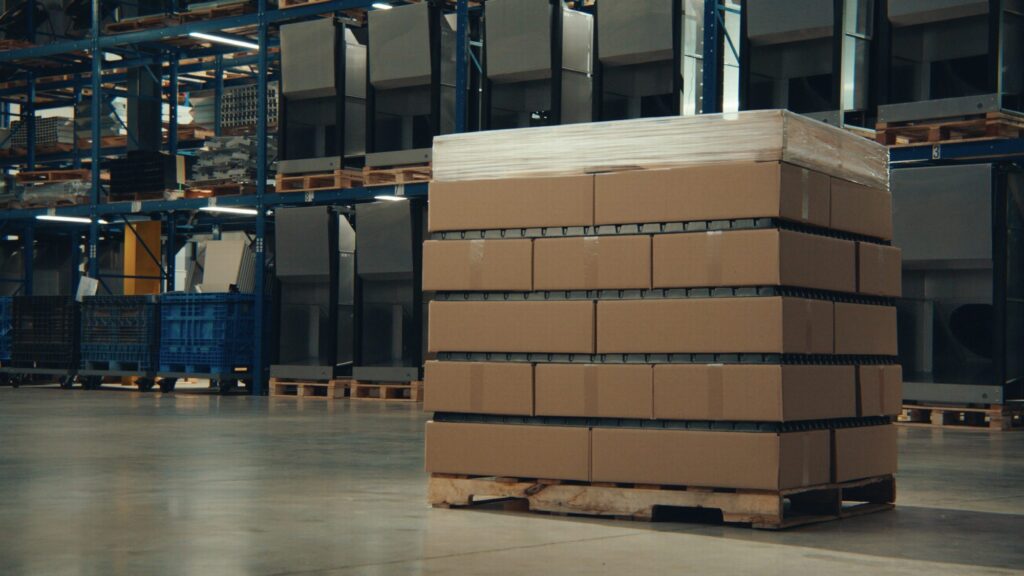
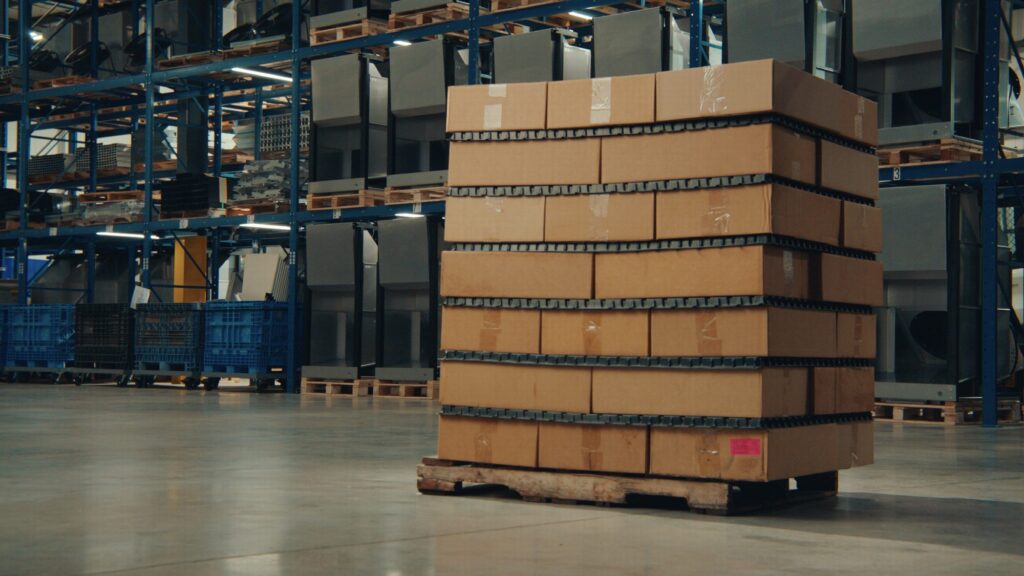
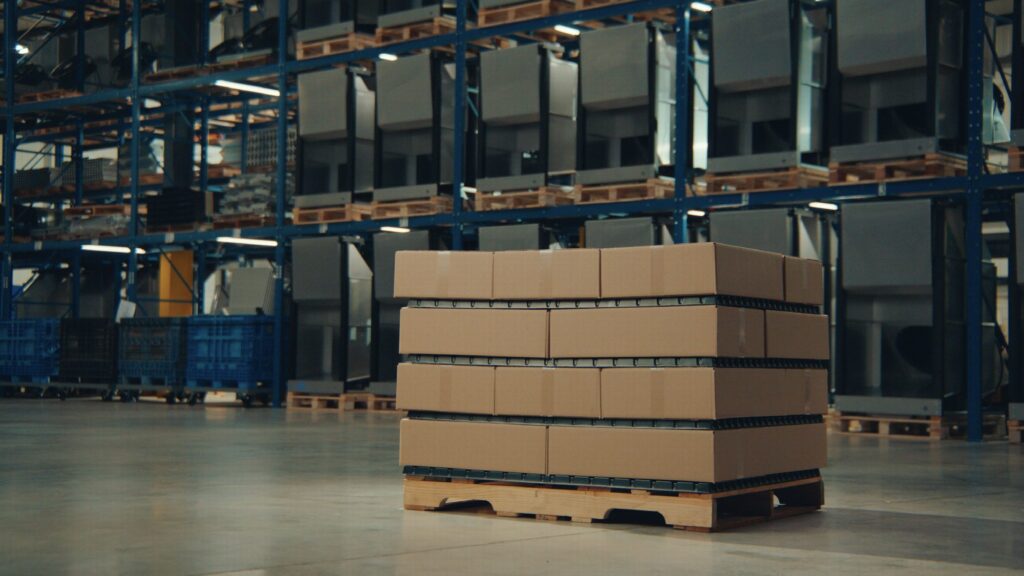
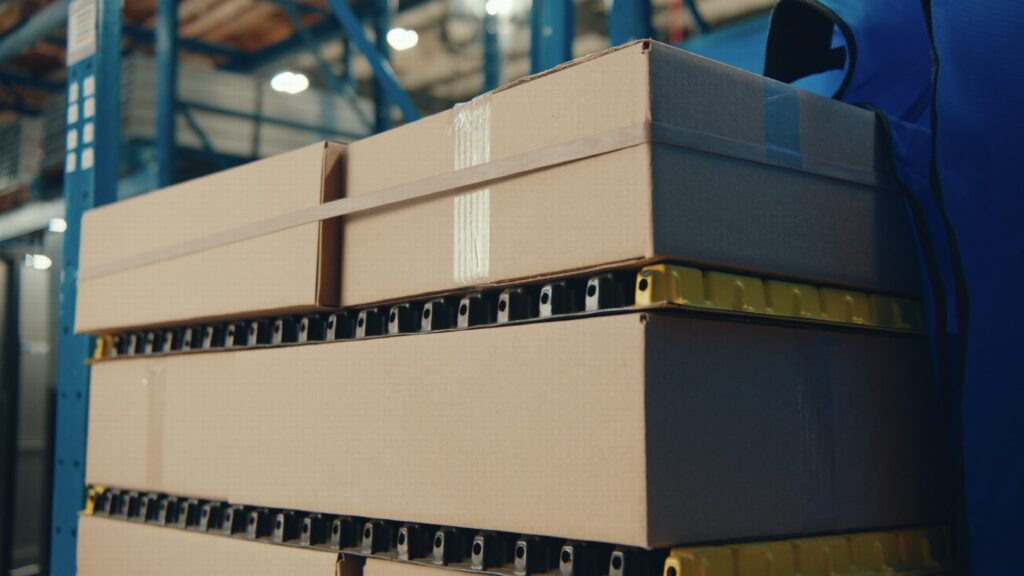
Spacers between every layer open up airflow channels straight through the load — here, lit from behind so you can see the gaps the cold air travels through.

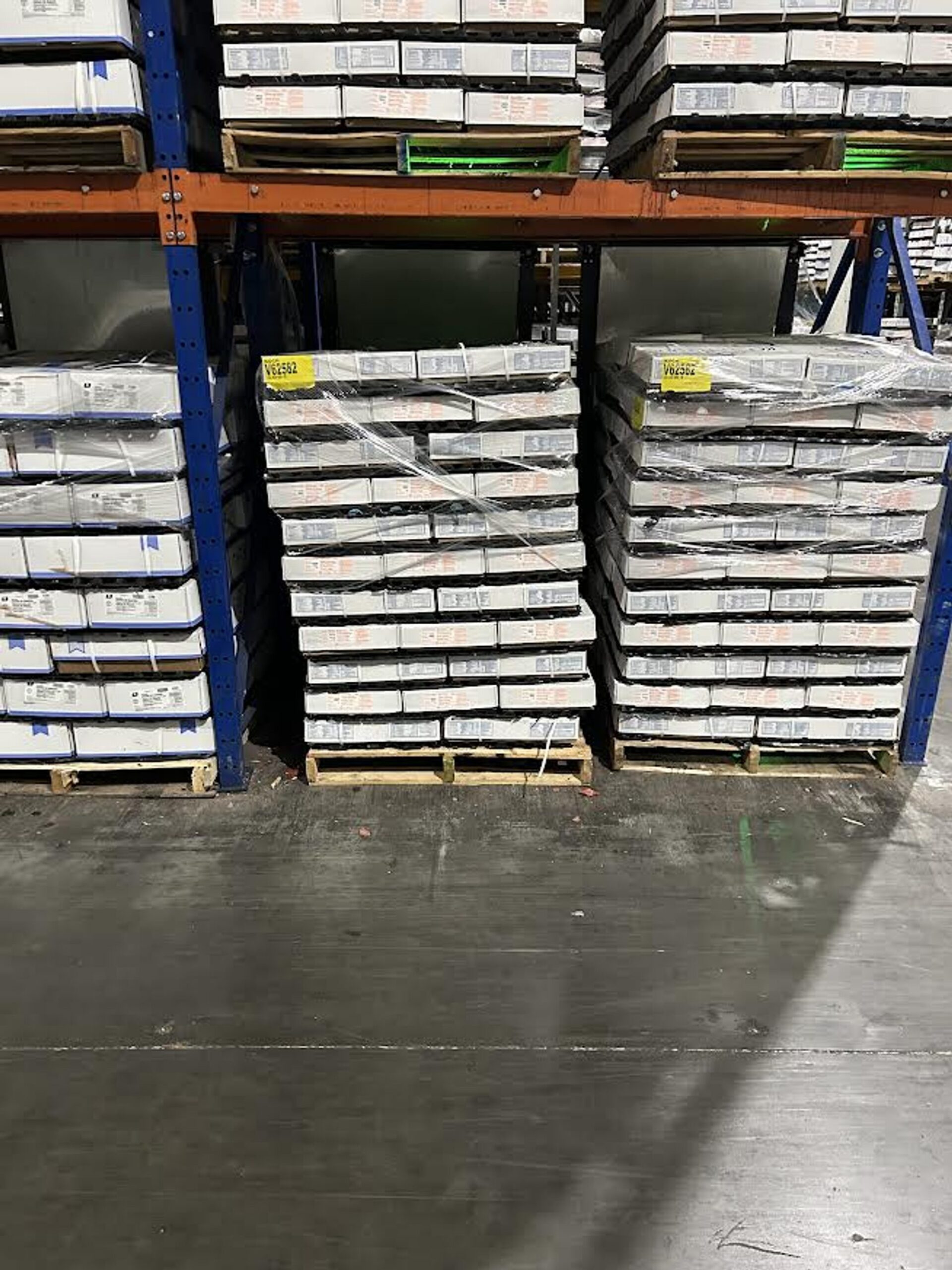
A QFM pushes a high volume of cold air at the face of every pallet. That air only does work if it can get a través de the stack. Missing spacers, chimney gaps, loose top layers, and product hanging over the pallet face all give the air an easier path around the load — and every cubic foot that bypasses the pallet is freeze performance you paid for and didn’t get.

Loading and racking work together. Opening height is sized to your tallest real pallet so air can’t bypass over a short stack — see Section 3: Racking. Loading is the other half: even a perfectly sized opening can’t fix a stack that blocks its own airflow.

Build the Stack for Airflow

Four habits that separate a fast, even freeze from a slow, uneven one.

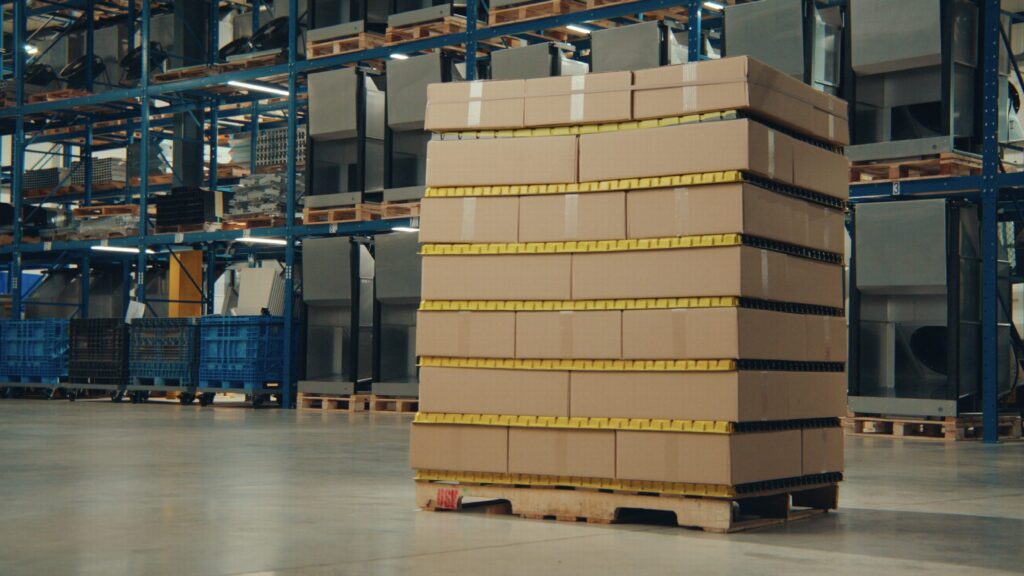
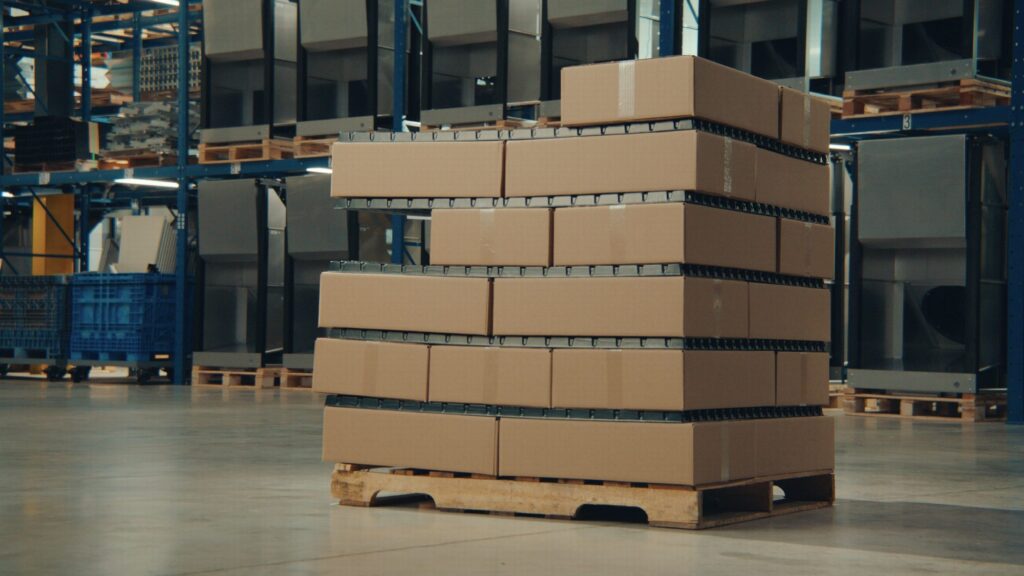
1. Put spacers between every layer

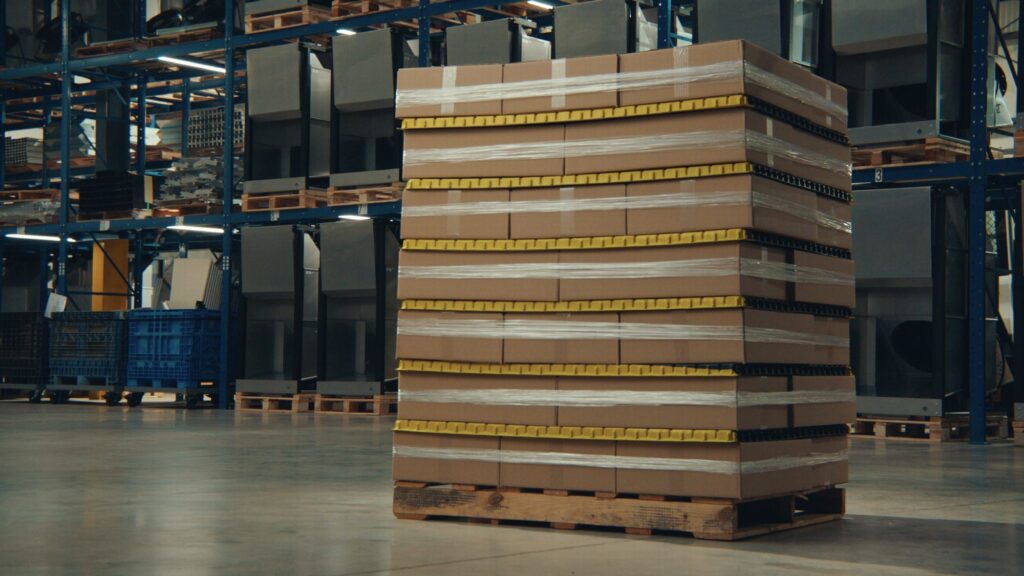
Good stack with spacers between every layer and a banded top
✓ Do this Spacers between every layer keep the airflow channels open top to bottom.
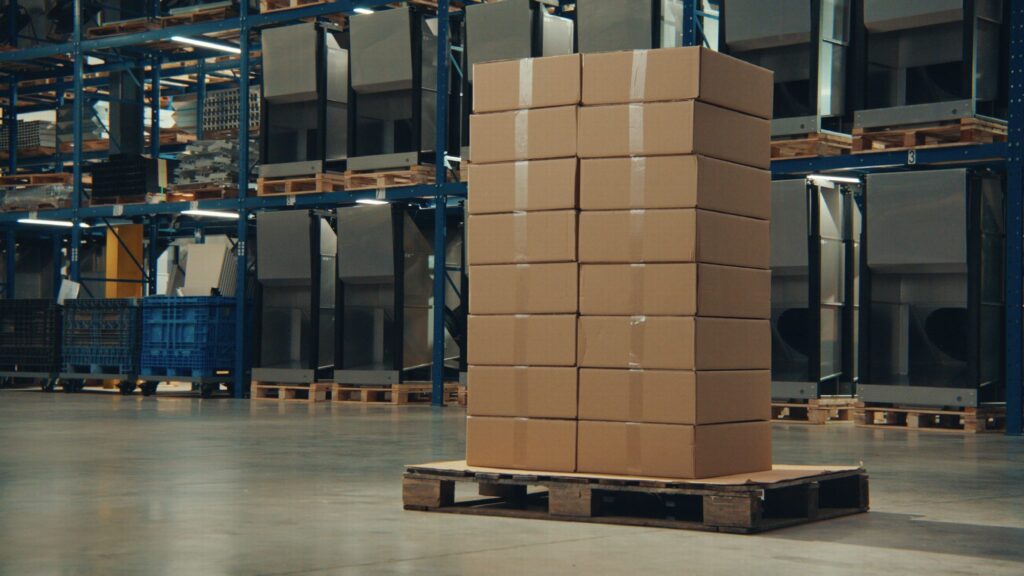
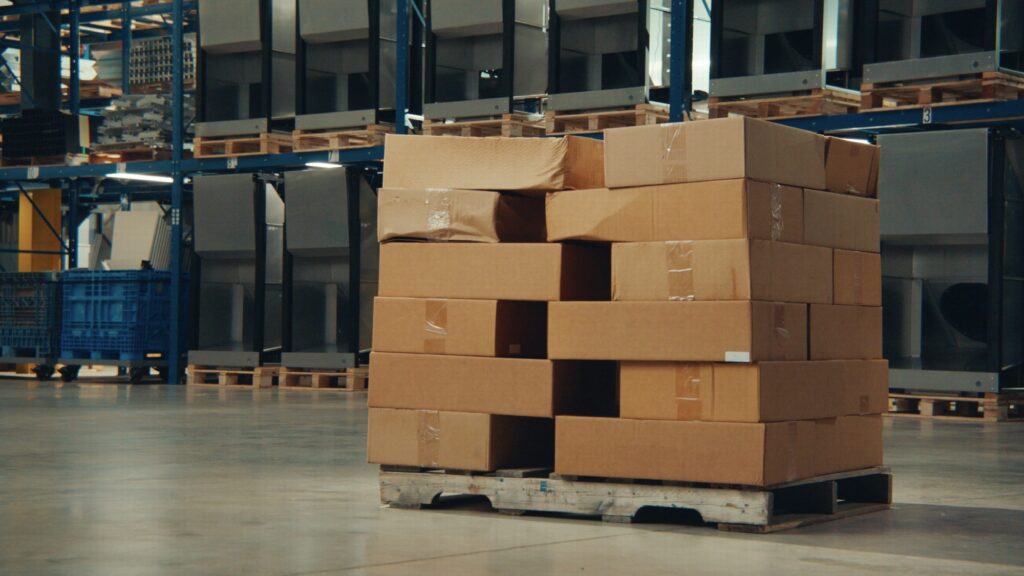
Bad center stack with no spacers
✗ Avoid No spacers — the center of the pallet never sees cold air and finishes last.

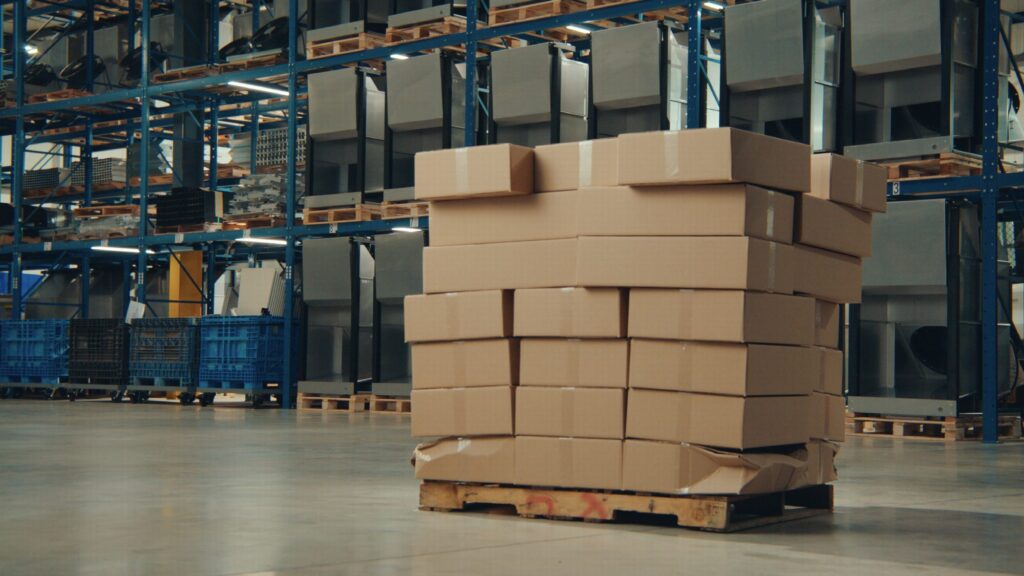
2. Keep the stack square — no chimneys

Cases restacked square and flush to the pallet
✓ Do this Cases stacked square and flush, faces aligned to the pallet edge.
Chimney stack with a gap up the middle and no spacers
✗ Avoid A chimney up the middle lets air shoot straight through instead of across the cases.

3. Secure the top layer

Top layer secured with a rope tie
✓ Do this Band or rope-tie the top layer so it can’t shift or lift in the airflow.
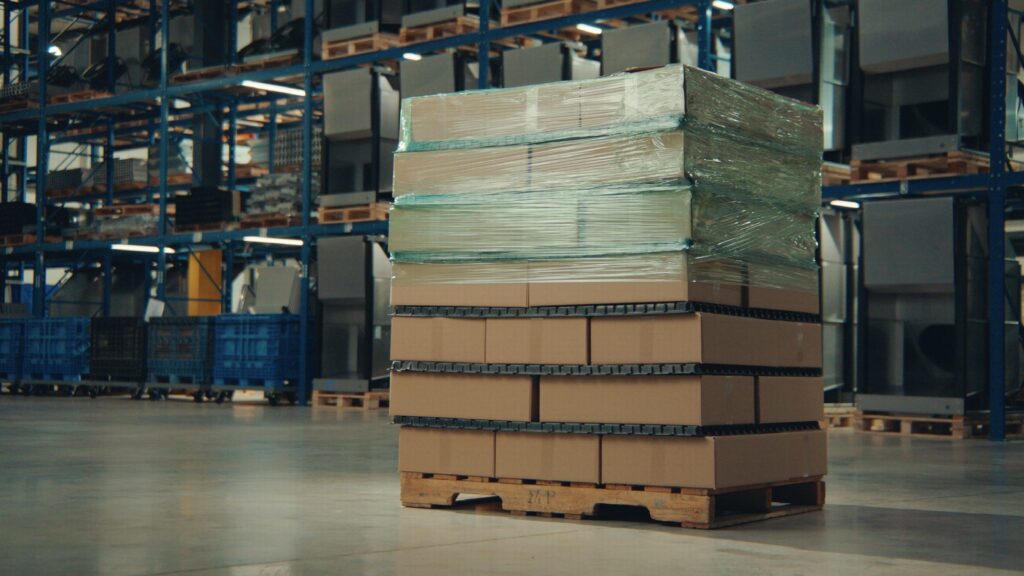
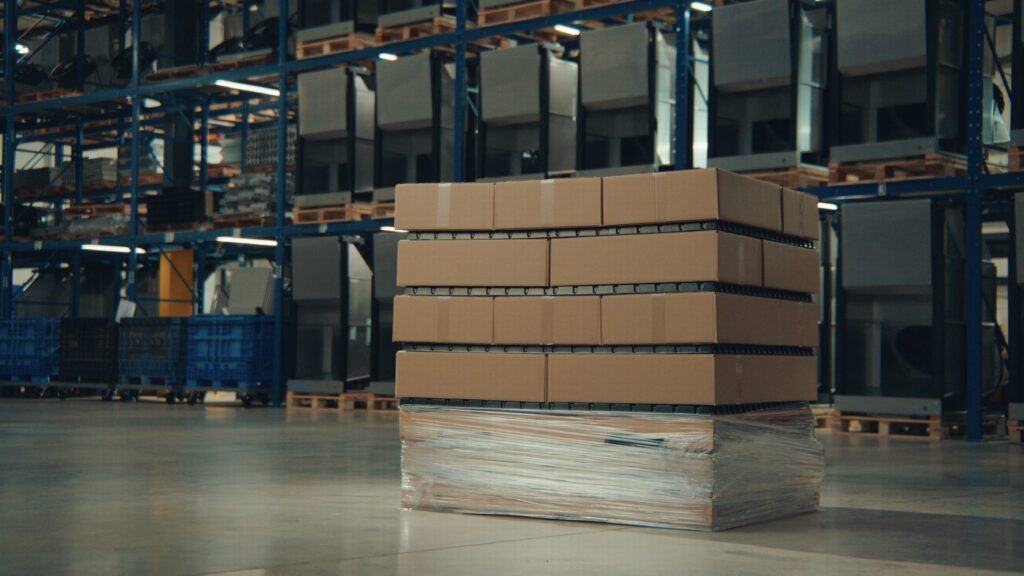
Pallet wrapped only on the top half
✗ Avoid Wrapping only the top half leaves the load unstable under blast air.

4. Build booster pallets correctly

Three properly built booster pallets
✓ Do this Proper booster pallets — full, square, and spacered like any other stack.
Booster pallet stacked on top of the load
✗ Avoid A booster pallet stacked on top fouls the seal and breaks the airflow path.

Seal to the Pallet Face

A clean seal means every CFM the fan moves goes through the pallet instead of around it.

Good pallet seal with cases flush against the QFM seal
✓ Do this Cases flush to the QFM seal — no gap, no bypass air.
Bad pallet seal with a gap between the load and the QFM seal
✗ Avoid A gap between the load and the seal lets blast air escape around the pallet.
Product overhanging the front of the pallet
✗ Avoid Product over the front of the pallet fouls the seal and the rack.
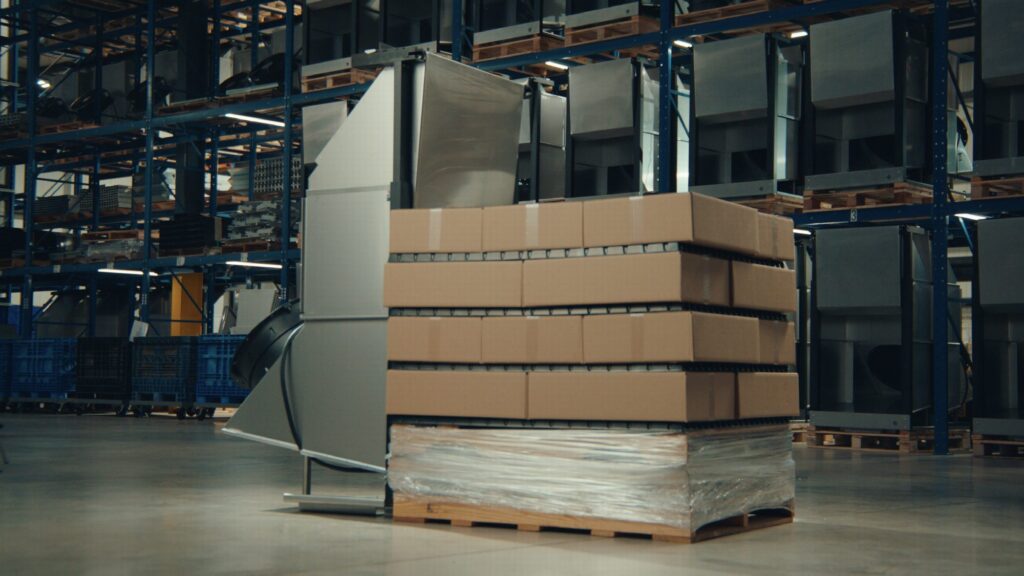
A short pallet stack staged next to a QFM
✓ Do this Short stacks still seal — AutoSeal form-fits to whatever height is in front of it.

Short and uneven stacks are the classic worst case. AutoSeal closes the gap a short pallet used to leave above it, so you don’t have to drop cell temperature to compensate. Loading still matters — AutoSeal seals the outside; spacers and a square stack keep the inside moving.

More Examples

A few more good and not-so-good stacks from the floor.

A correctly built short stack
A clean short stack.
Close-up of a banded top layer
Banded top, up close.
A properly built booster pallet staged at a QFM
Booster pallet staged correctly.
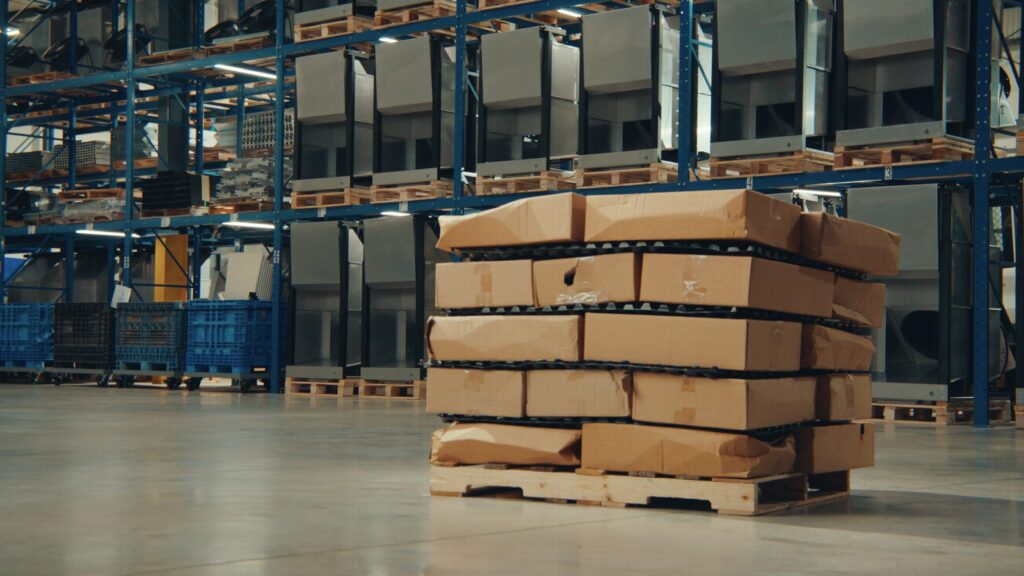
Damaged cases with no spacers
Damaged cases, no spacers.
Damaged cases and crushed spacers
Crushed cases and spacers.
A short pallet stack with an airflow gap at a QFM
Short stack leaving a bypass gap.

From the Field

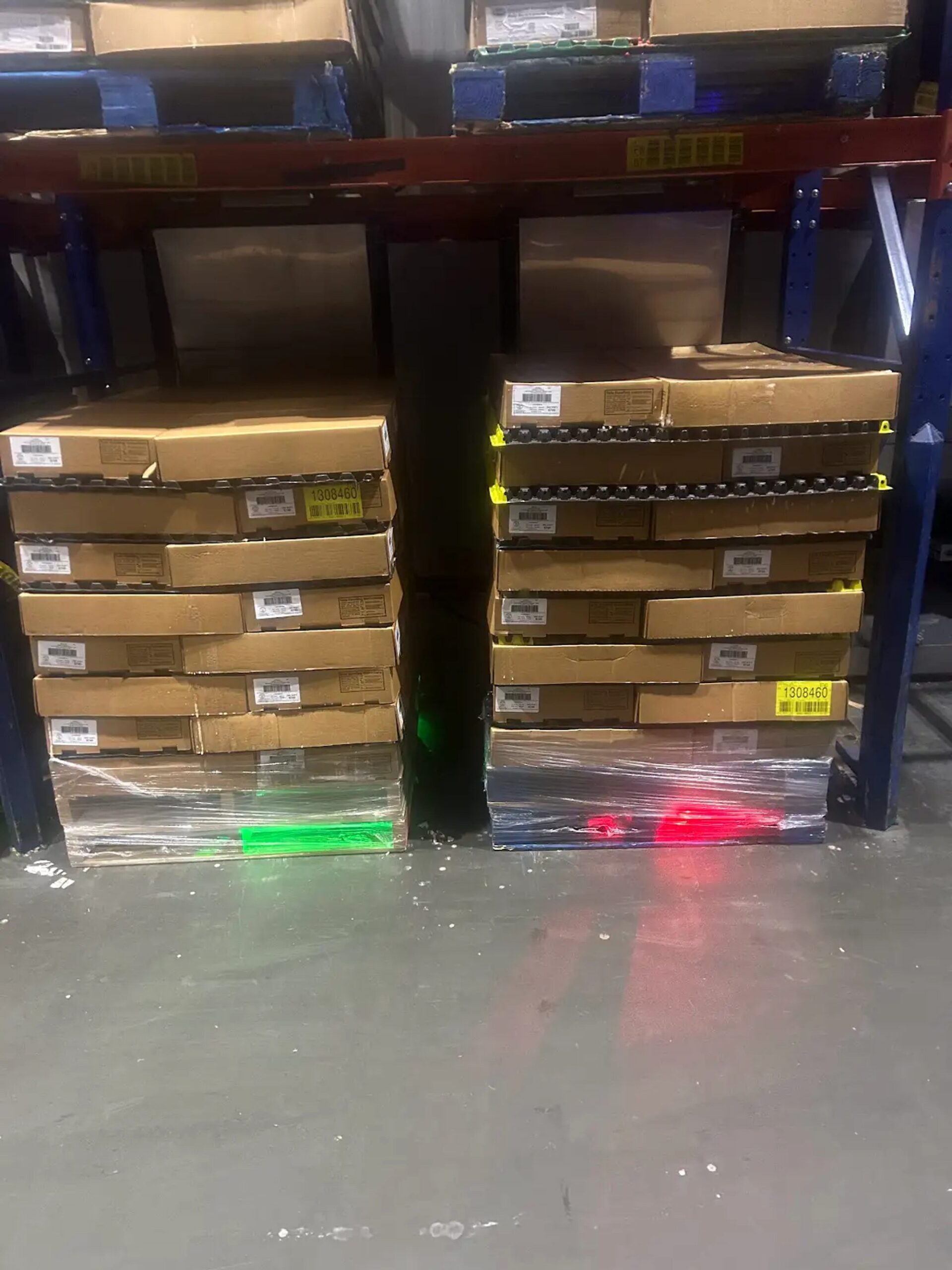
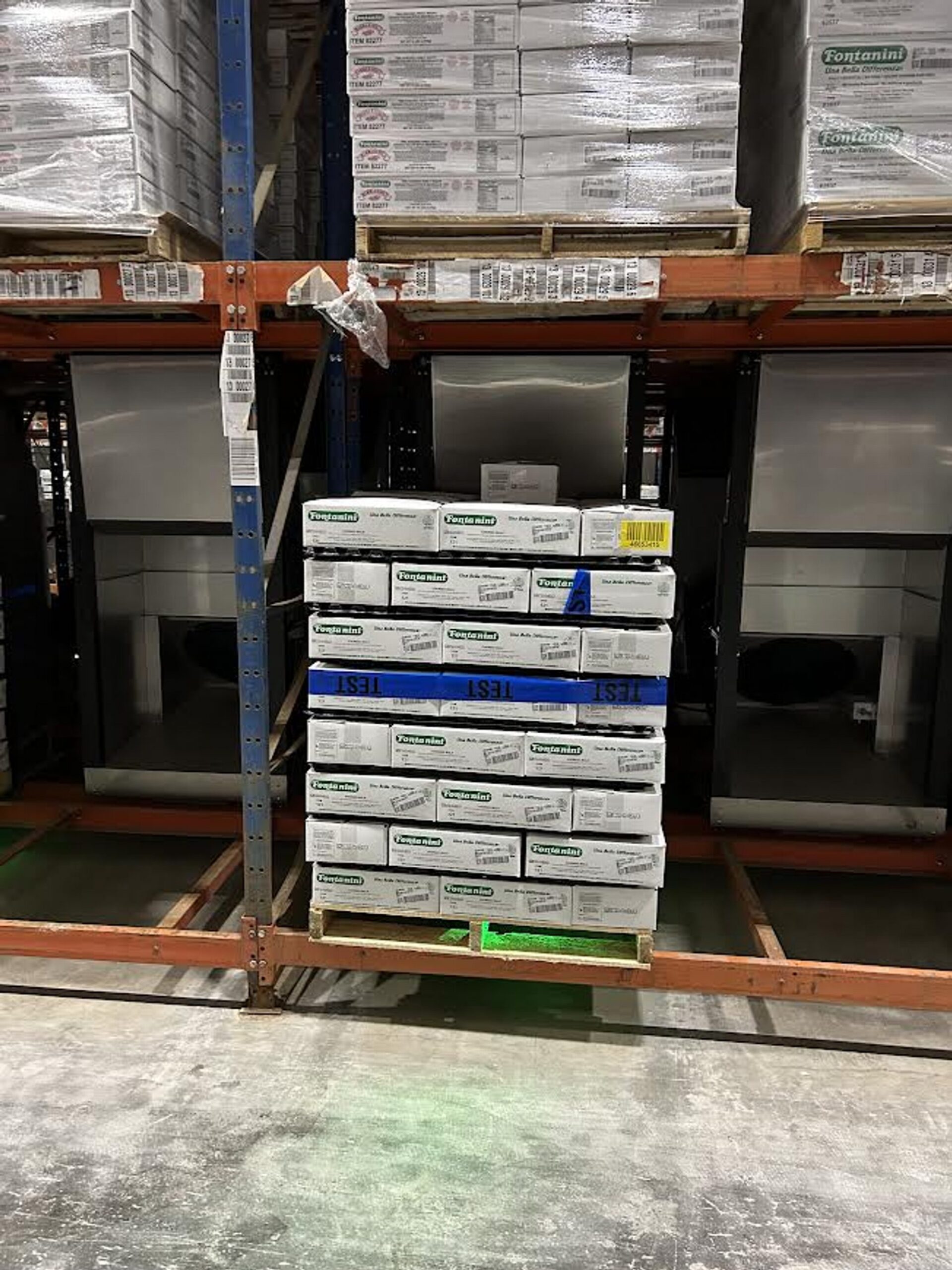
Real units on real freezer floors — the same airflow rules, photographed in service. The status light glowing through a pallet shows where cold air is (and isn’t) getting through.

A QFM with a good pallet-loading example beside a bad one, airflow visible under the status light
/ Good and bad side by side — the lit pallet is pulling cold air through; the boxed stack beside it is not.
A QFM with booster pallets staged in front to maintain airflow
Booster pallets staged to keep airflow moving.
A QFM shown loaded and unloaded with the airflow status lighting visible
Loaded for airflow — status light active.
A loaded pallet with restricted airflow through the top portion at a QFM
Poor airflow through the top of the pallet.
Pallets staged directly in front of a QFM, restricting airflow to the unit
Pallets parked in front choke the QFM’s airflow.
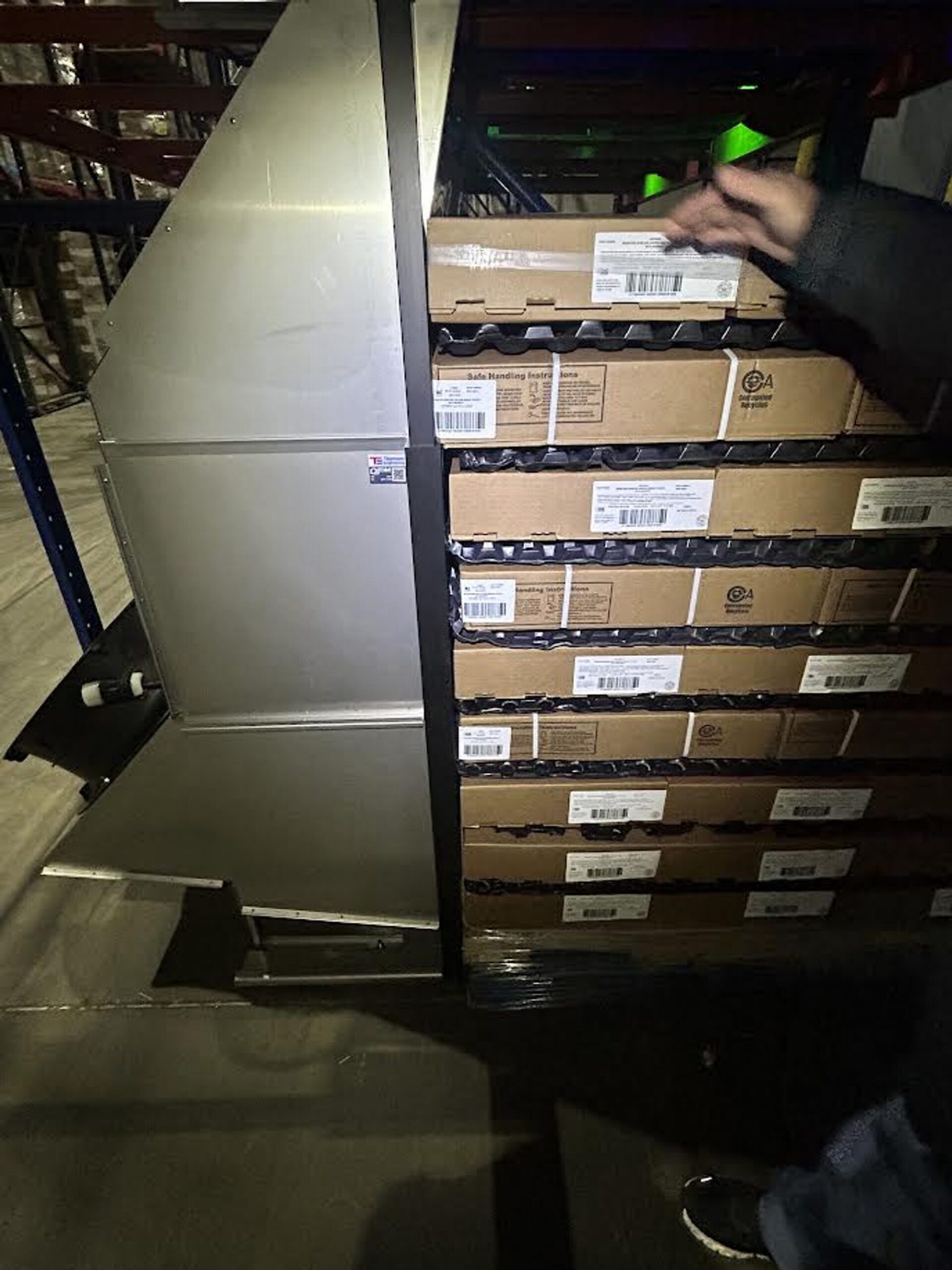
Side view of a pallet placed in front of a QFM blocking airflow
Same problem from the side — staged product blocking the unit.